


RECENT POSTS
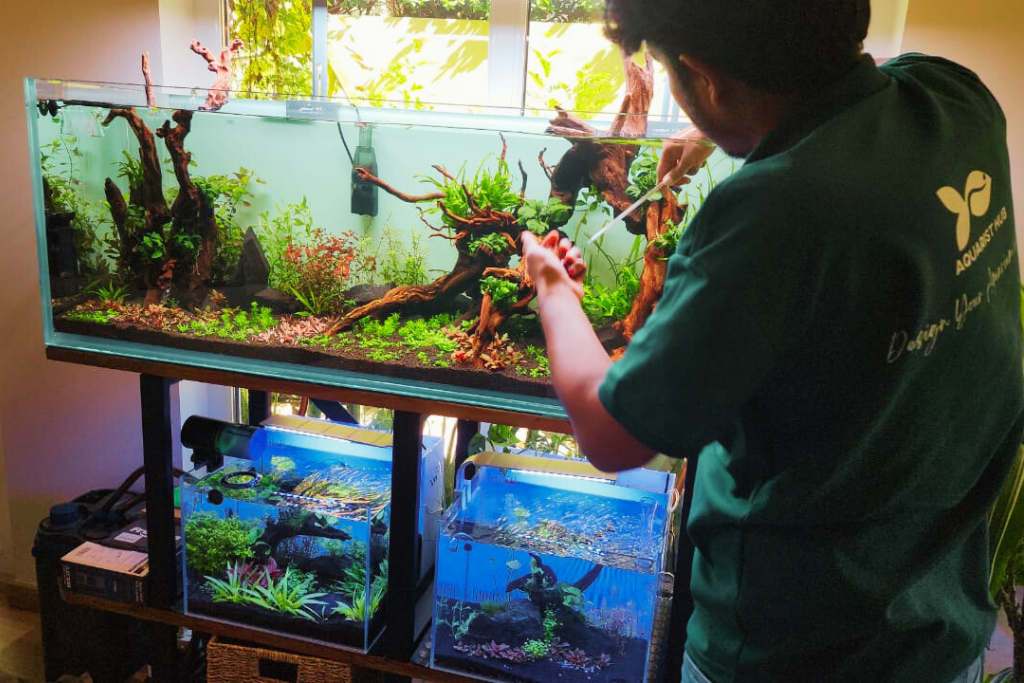
Best Aquarium Lighting Systems for Planted Tanks 2025
Understanding the Science Behind Planted Tank Illumination
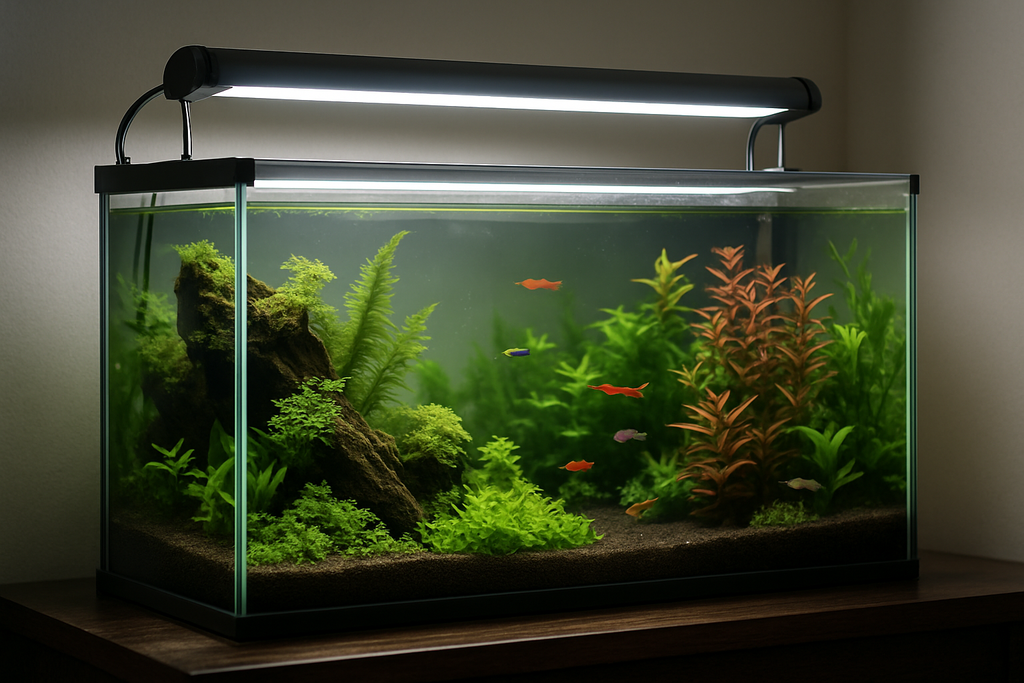
The photosynthetic requirements of aquatic flora demand meticulous consideration when selecting illumination systems for planted aquariums. Unlike conventional fish-only setups, planted tanks necessitate precise spectral output and photosynthetic photon flux density (PPFD) measurements to sustain healthy botanical growth. The wavelength spectrum between 400-700 nanometers, known as photosynthetically active radiation (PAR), serves as the fundamental energy source for underwater vegetation.
Modern LED technology has revolutionized aquarium lighting by providing customizable spectral combinations that optimize chlorophyll absorption peaks. Red wavelengths around 660nm and blue wavelengths at 450nm correspond directly to chlorophyll A and B absorption maxima, ensuring maximum photosynthetic efficiency. This scientific understanding forms the foundation for selecting the best aquarium LED lights planted tank enthusiasts require for thriving aquascapes.
PAR Values and Light Intensity Requirements
Determining appropriate light intensity involves understanding PAR measurements specific to aquatic environments. Low-light plants typically thrive with 15-30 PAR, while medium-light species require 30-50 PAR values. High-light demanding specimens necessitate 50-80+ PAR measurements at substrate level. These quantitative parameters eliminate guesswork from lighting selection and ensure botanical success.
Water depth significantly affects light penetration, with approximately 50% intensity loss occurring every 12 inches of water column. Therefore, deeper aquariums require proportionally more powerful lighting systems to maintain adequate substrate-level PAR values. Consider this attenuation factor when calculating total luminaire output requirements.
Top-Tier LED Lighting Systems for 2025
The aquarium lighting market continues evolving with innovative technologies that enhance both aesthetics and plant health. Premium manufacturers now integrate wireless connectivity, programmable photoperiods, and weather simulation capabilities into their flagship models. These advanced features transform basic illumination into comprehensive ecosystem management tools.
Full-Spectrum Programmable Solutions
Contemporary full-spectrum LEDs incorporate multiple diode types including royal blue, cool white, warm white, red, and green emitters. This comprehensive spectral coverage mimics natural sunlight while providing customizable intensity levels for different growth phases. Programmable controllers enable gradual sunrise/sunset transitions that reduce fish stress and promote natural circadian rhythms.
Many premium units feature smartphone applications that allow remote monitoring and adjustment capabilities. Users can create complex lighting schedules that simulate seasonal variations, thunderstorms, and cloud cover effects. Such sophisticated control systems represent significant advances in aquascaping technology.
High-Output Modular Systems
Modular LED arrays provide scalability advantages for larger installations or future expansion plans. These systems utilize interconnectable panels that distribute light evenly across extended tank surfaces. Individual modules can be controlled independently, creating zones with different light intensities to accommodate varied plant species requirements within single aquariums.
"The versatility of modular LED systems allows aquascapers to fine-tune lighting distribution patterns, creating optimal growing conditions for diverse plant communities while maintaining aesthetic appeal throughout the aquascape."
Key Features to Prioritize in LED Selection
When evaluating potential lighting systems, several critical specifications determine long-term success and user satisfaction. Understanding these parameters prevents costly mistakes and ensures optimal plant growth outcomes.
Spectral Quality and Customization Options
Premium LED fixtures offer individual channel control for different color spectrums. This granular control enables fine-tuning for specific plant species or growth objectives. Red spectrum enhancement promotes flowering and fruiting in aquatic plants, while blue spectrum dominance encourages compact, bushy growth patterns.
Some advanced units incorporate UV and infrared diodes that provide additional benefits beyond visible spectrum lighting. UV wavelengths can enhance plant coloration and stress resistance, while infrared radiation may improve root development and overall plant vigor.
Thermal Management and Longevity
Effective heat dissipation directly correlates with LED lifespan and performance consistency. Quality fixtures incorporate aluminum heat sinks, cooling fans, or passive thermal management systems that maintain optimal operating temperatures. Excessive heat reduces LED efficiency and shortens component lifespan significantly.
Look for fixtures with thermal protection circuits that automatically reduce output if dangerous temperature thresholds are exceeded. This protective feature prevents permanent damage while maintaining safe operating conditions.
Installation and Mounting Considerations
Proper installation techniques maximize lighting effectiveness while ensuring long-term reliability and safety. The mounting height, angle, and distribution pattern significantly impact plant growth and overall aquascape aesthetics.
Optimal Mounting Heights and Angles
Suspended fixtures typically perform best when positioned 8-12 inches above the water surface for standard depth tanks. This distance provides adequate light spread while minimizing hot spots and shadowing effects. Adjustable hanging kits allow fine-tuning of height as plants grow or when reorganizing aquascapes.
Angular positioning can create dramatic lighting effects while ensuring even coverage. Slightly angling fixtures toward the back of the tank enhances depth perception and reduces glare when viewing from standard positions.
Multi-Point Mounting Systems
Large aquariums benefit from multiple smaller fixtures rather than single oversized units. This distributed approach eliminates shadowing behind tall plants or hardscape elements while providing redundancy if individual units fail. Multiple fixtures also enable creating different lighting zones within single aquariums.
| Tank Length | Recommended Fixture Count | Individual Fixture Size |
|---|---|---|
| 24-36 inches | 1 fixture | 24-36 watts |
| 48-60 inches | 2 fixtures | 30-45 watts each |
| 72+ inches | 3+ fixtures | 40-60 watts each |
Energy Efficiency and Cost-Benefit Analysis
LED technology offers substantial energy savings compared to traditional fluorescent or metal halide alternatives. However, initial investment costs require careful consideration alongside long-term operational expenses and replacement schedules.
Power Consumption Comparisons
Modern LED fixtures consume 50-70% less electricity than equivalent output fluorescent systems while providing superior spectral quality and longevity. A typical 48-inch planted tank LED system draws 40-80 watts compared to 150-250 watts for comparable T5 fluorescent installations.
Calculate total cost of ownership including purchase price, electricity consumption, and replacement schedules over 5-year periods for accurate comparisons. LED systems typically achieve payback within 18-24 months through reduced energy costs alone.
Maintenance and Replacement Schedules
Quality LED fixtures maintain 90%+ output for 50,000+ operating hours compared to fluorescent tubes requiring replacement every 12-18 months. This extended lifespan eliminates frequent lamp changes while maintaining consistent light output throughout the fixture's operational life.
Regular cleaning of LED lenses and heat sinks represents the primary maintenance requirement. Monthly cleaning prevents dust accumulation that reduces light transmission and impairs cooling efficiency.
Regional Considerations for UAE Aquarists
The unique environmental conditions and market dynamics in the UAE present specific considerations for aquarium lighting selection and operation. High ambient temperatures, humidity levels, and local availability affect both performance and procurement decisions.
Climate Impact on Equipment Performance
The UAE's elevated ambient temperatures place additional thermal stress on electronic components. Select fixtures with robust thermal management capabilities and consider supplemental cooling if aquariums are located in non-air-conditioned spaces. Excessive heat reduces LED efficiency and accelerates component degradation.
Humidity levels can affect electrical connections and control circuits. Ensure fixtures have appropriate IP ratings for humid environments and consider protective measures for external controllers or power supplies.
Local Market Availability and Support
Working with established regional retailers ensures access to warranty support, replacement parts, and technical assistance. Local suppliers often provide installation services and ongoing maintenance support that prove invaluable for complex systems or commercial installations.
- Verify warranty coverage and local service availability
- Consider shipping costs and delivery timeframes for replacement components
- Evaluate technical support language options and response times
- Assess compatibility with local electrical standards and voltage requirements
Troubleshooting Common Lighting Issues
Even premium lighting systems occasionally experience operational challenges that require systematic diagnosis and resolution. Understanding common failure modes and troubleshooting procedures minimizes downtime and prevents plant losses.
Color Spectrum Imbalances
Individual LED channels may fail independently, creating noticeable color shifts in the overall output spectrum. Regular visual inspection helps identify failing channels before complete failure occurs. Most programmable controllers provide diagnostic information indicating channel status and output levels.
Premature plant senescence or unusual coloration often indicates spectral imbalances requiring investigation. Document plant responses to lighting changes and maintain baseline photos for comparison purposes.
Have you considered how environmental factors in your specific location might affect lighting performance and plant growth outcomes?
Dimming and Controller Malfunctions
Electronic controllers represent the most failure-prone components in modern LED systems. Keep backup controllers or manual override capabilities available for critical installations. Many premium fixtures include emergency modes that maintain basic operation if primary controllers fail.
Wireless connectivity issues can prevent remote monitoring and control functionality. Maintain alternative control methods and document manual override procedures for essential lighting schedules.
