


RECENT POSTS
Creating Stunning Indoor Ecosystems: Your Complete Guide
Understanding the Fundamentals of Indoor Terrarium Ecosystems
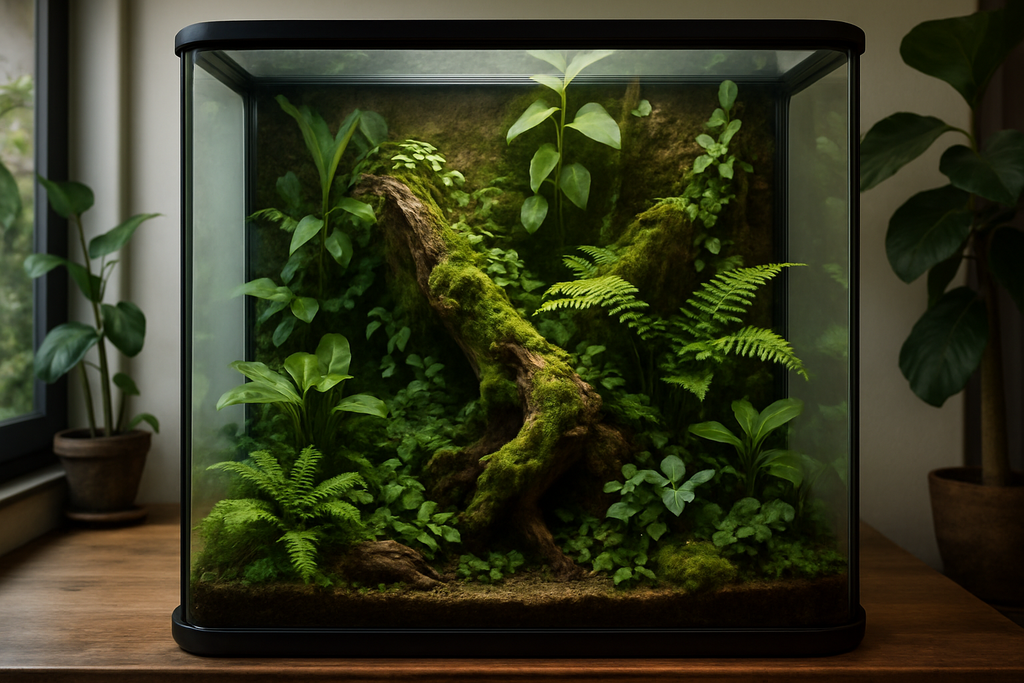
Indoor terrariums represent miniaturized biospheres that encapsulate the intricate balance of nature within glass confines. These vivaria serve as self-sustaining microcosms where flora, fauna, and environmental elements coalesce to create captivating displays. The art of terrarium cultivation extends beyond mere aesthetic appeal, encompassing principles of ecology, botany, and environmental science.
The foundation of successful terrarium construction lies in understanding biogeochemical cycles and how they manifest within enclosed systems. Unlike traditional gardening, terrarium ecosystems rely on controlled atmospheric conditions, regulated moisture levels, and carefully orchestrated symbiotic relationships between organisms. This delicate equilibrium requires precise attention to substrate composition, drainage mechanics, and atmospheric circulation patterns.
Modern terrarium enthusiasts distinguish between xerophytic and hygrophilous environments, each demanding distinct approaches to construction and maintenance. Xerophytic terrariums accommodate drought-adapted species in open or semi-open containers, while hygrophilous systems support moisture-loving plants within sealed environments that maximize humidity retention.
Essential Equipment and Materials for Terrarium Construction
Selecting Appropriate Vessels and Containers
The terrarium vessel serves as the architectural foundation of your ecosystem. Glass containers provide optimal light transmission while maintaining visual clarity, though alternative materials like acrylic offer enhanced durability for high-traffic environments. Apothecary jars, geometric terrariums, and custom-blown vessels each present unique advantages depending on your intended ecosystem type.
Container selection must account for photosynthetic light penetration and adequate headspace for plant maturation. Narrow-necked vessels challenge plant installation but excel at humidity retention, while wide-mouth containers facilitate maintenance but may require additional moisture management strategies.
Substrate Composition and Drainage Systems
Professional terrarium construction employs stratified substrate layers that replicate natural soil profiles while ensuring proper drainage and root development. The foundational drainage layer typically consists of expanded clay pellets, activated charcoal, or specialized hydroponic aggregate materials that prevent waterlogging while maintaining adequate moisture reserves.
Intermediate filtration layers, often constructed from sphagnum moss or synthetic filter media, prevent substrate migration while facilitating water movement. The primary growing medium varies according to plant requirements but commonly incorporates specialized terrarium soil blends that balance drainage, nutrition, and pH stability.
Professional Terrarium Setup Services and Supplies
Creating exceptional indoor ecosystems requires access to premium materials and expert guidance. The UAE's discerning hobbyists recognize the importance of sourcing quality terrarium supplies from established retailers who understand the nuanced requirements of closed-loop ecosystems.
Aquarist Hub's comprehensive terrarium collection provides everything needed to construct professional-grade indoor ecosystems. From precision-crafted glass vessels to specialized substrate blends and maintenance tools, this curated selection addresses the sophisticated demands of serious terrarium enthusiasts. Whether you're establishing your first desktop ecosystem or expanding an existing collection, these carefully selected products ensure optimal results while simplifying the construction process.
Featured Products
The collection encompasses both beginner-friendly starter kits and advanced components for experienced practitioners, making it easier to source all necessary materials from a single trusted supplier rather than coordinating multiple vendors.
Specialized Tools and Instruments
Terrarium construction and maintenance require specialized implements designed for precision work within confined spaces. Elongated forceps enable accurate plant placement and debris removal, while curved scissors facilitate pruning operations without disturbing adjacent vegetation. Spray bottles with adjustable misting patterns provide controlled moisture application, and digital hygrometers offer precise environmental monitoring.
Plant Selection and Ecosystem Design Principles
Choosing Compatible Flora Species
Successful terrarium ecosystems depend on selecting plant species with complementary growth habits and environmental requirements. Epiphytic species like air plants and small orchids thrive in humid environments without requiring extensive root systems, while lithophytic plants adapt well to rocky, well-draining terrarium conditions.
Consider growth rates and mature sizes when planning plant arrangements. Slow-growing species like Haworthia and small ferns maintain proportional relationships within confined spaces, while aggressive growers may quickly overwhelm smaller companions. Color coordination and textural contrast create visual interest while ensuring each species receives adequate light exposure.
The most successful terrarium ecosystems mirror natural plant communities where species have evolved to coexist harmoniously, sharing resources while occupying distinct ecological niches within the miniature environment.
Creating Visual Hierarchy and Spatial Composition
Effective terrarium design employs principles of visual stratification that guide the observer's eye through carefully orchestrated plant arrangements. Establish focal points using distinctive specimens or decorative elements, then build supporting compositions that complement rather than compete with primary features.
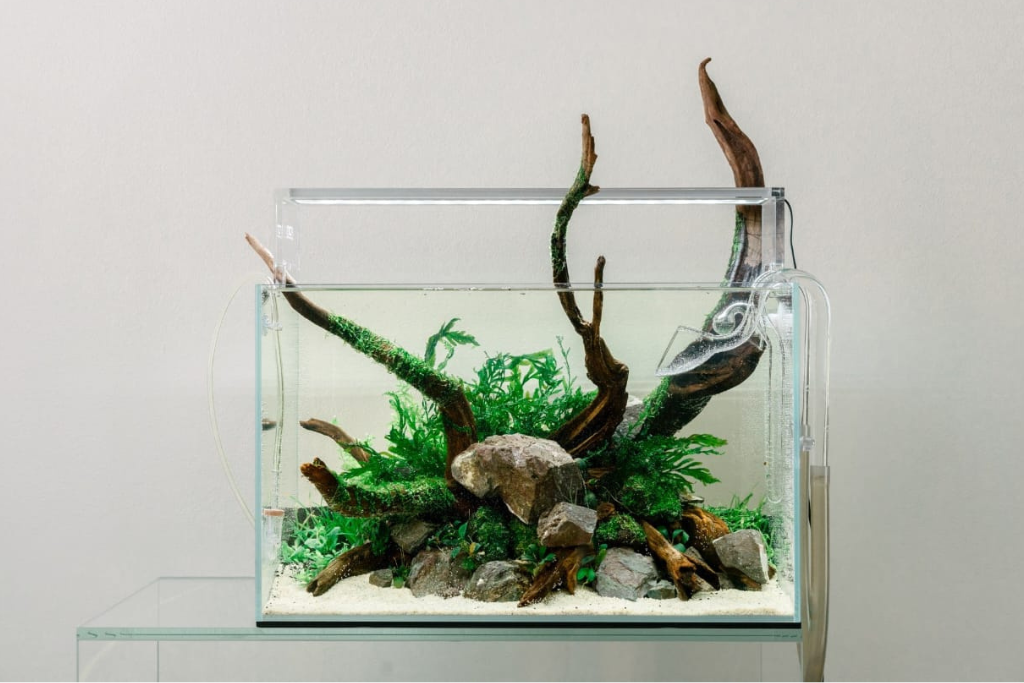
Incorporate varying heights and growth forms to create natural-looking plant communities. Ground-covering species provide foundational elements, while upright specimens add vertical interest and structural definition. Strategic placement of hardscape elements like driftwood, stones, or decorative substrates enhances the naturalistic appearance while providing growing surfaces for epiphytic species.
Environmental Control and Monitoring Systems
Maintaining optimal environmental conditions requires understanding the complex interactions between temperature, humidity, light, and air circulation within enclosed systems. Photoperiod manipulation using LED grow lights enables year-round cultivation while providing spectrum control for enhanced plant coloration and compact growth patterns.
Temperature stability proves crucial for ecosystem health, as rapid fluctuations stress plants and promote fungal diseases. Position terrariums away from direct sunlight and heating vents, utilizing ambient room conditions supplemented by artificial lighting when necessary. Digital thermometers with remote sensors allow continuous monitoring without disturbing the ecosystem.
Humidity Management Techniques
Closed terrarium systems naturally maintain elevated humidity levels through evapotranspiration cycles, but proper management prevents excessive moisture accumulation that encourages pathogenic organisms. Partial ventilation systems, achieved by slightly opening lids or incorporating ventilation ports, regulate humidity while maintaining the beneficial closed-loop environment.
Monitor condensation patterns on glass surfaces as indicators of moisture levels. Light morning condensation that clears by midday indicates proper humidity balance, while persistent fogging suggests excessive moisture requiring ventilation adjustments.
Maintenance Protocols and Long-term Care
Pruning and Population Management
Regular maintenance ensures terrarium ecosystems remain balanced and visually appealing over extended periods. Selective pruning controls plant size while encouraging dense, compact growth patterns appropriate for confined spaces. Remove yellowing leaves promptly to prevent decay and potential disease transmission.
Population management becomes necessary as plants mature and multiply. Divide oversized specimens or relocate excess growth to maintain proper spacing and prevent resource competition. Document growth patterns and maintenance schedules to develop customized care routines for your specific ecosystem composition.
Water Management and Irrigation Techniques
Proper irrigation represents one of the most critical aspects of terrarium maintenance, as both overwatering and underwatering can rapidly destabilize ecosystem balance. Observe soil moisture levels by examining substrate color and consistency rather than adhering to rigid watering schedules.
| Moisture Level | Visual Indicators | Action Required |
|---|---|---|
| Optimal | Substrate appears dark but not saturated; minimal wall condensation | Monitor regularly |
| Too Dry | Light-colored substrate; plants showing stress signs | Mist lightly or add small water amounts |
| Too Wet | Standing water visible; excessive condensation | Increase ventilation; remove excess water |
Troubleshooting Common Challenges
Even carefully constructed terrariums may experience occasional issues requiring prompt attention and corrective action. Fungal outbreaks typically result from excessive moisture combined with poor air circulation, manifesting as white, fuzzy growth on substrate surfaces or plant tissues. Address fungal problems by improving ventilation, reducing watering frequency, and removing affected plant material.
Algae growth on glass surfaces or substrate indicates excess light exposure or nutrient imbalances. Reduce lighting duration or intensity while cleaning affected surfaces with appropriate cleaning solutions that won't harm ecosystem inhabitants.
Plant Health Diagnostics
Monitor plant health through regular visual inspections, noting changes in leaf color, growth patterns, or overall vigor. Etiolation, characterized by pale, stretched growth, indicates insufficient lighting requiring adjustment of artificial light positioning or duration.
- Yellowing leaves may indicate overwatering, nutrient deficiencies, or natural aging processes
- Brown leaf tips often result from low humidity or fertilizer burn
- Stunted growth could suggest root binding, inadequate nutrition, or environmental stress
- Pest infestations require immediate isolation and treatment to prevent ecosystem-wide damage
Advanced Techniques and Specialized Applications
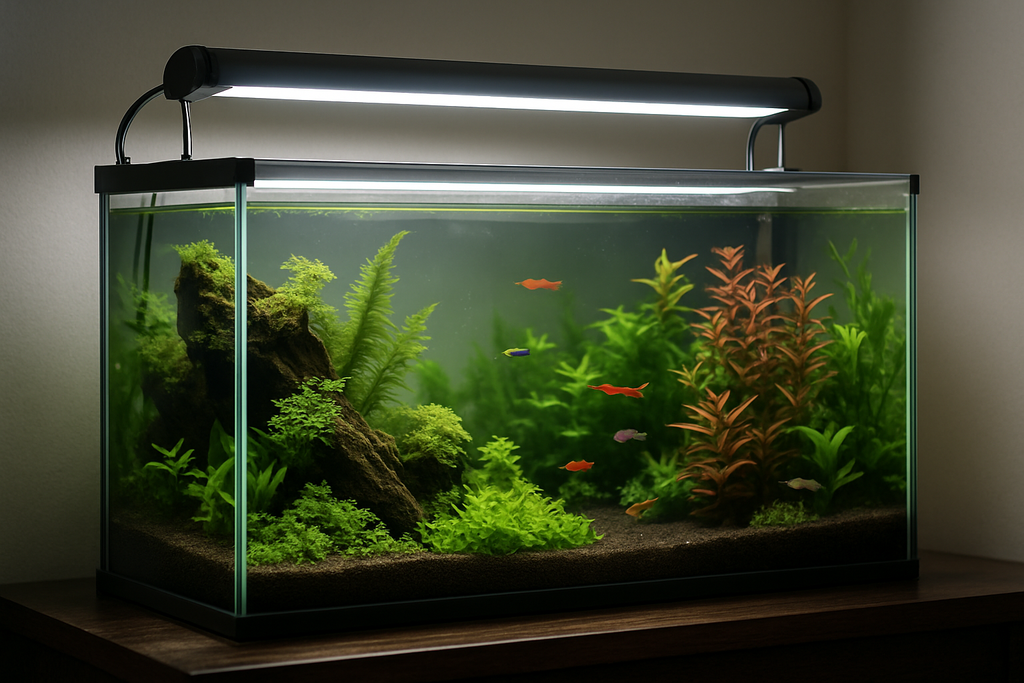
Experienced terrarium enthusiasts often explore specialized techniques that enhance ecosystem complexity and visual appeal. Paludarium construction combines terrestrial and aquatic elements, creating dynamic environments that support diverse plant and animal communities within single systems.
Incorporating automated systems like misting controllers, LED lighting timers, and ventilation fans transforms basic terrariums into sophisticated growing environments capable of supporting challenging species. These technological enhancements enable cultivation of rare plants and creation of stunning display pieces suitable for professional or commercial applications.
Seasonal terrarium modifications allow dynamic ecosystem changes that reflect natural cycles while maintaining year-round visual interest. Strategic species rotation, temporary decorative elements, and lighting adjustments create evolving displays that continue captivating viewers over extended periods.
