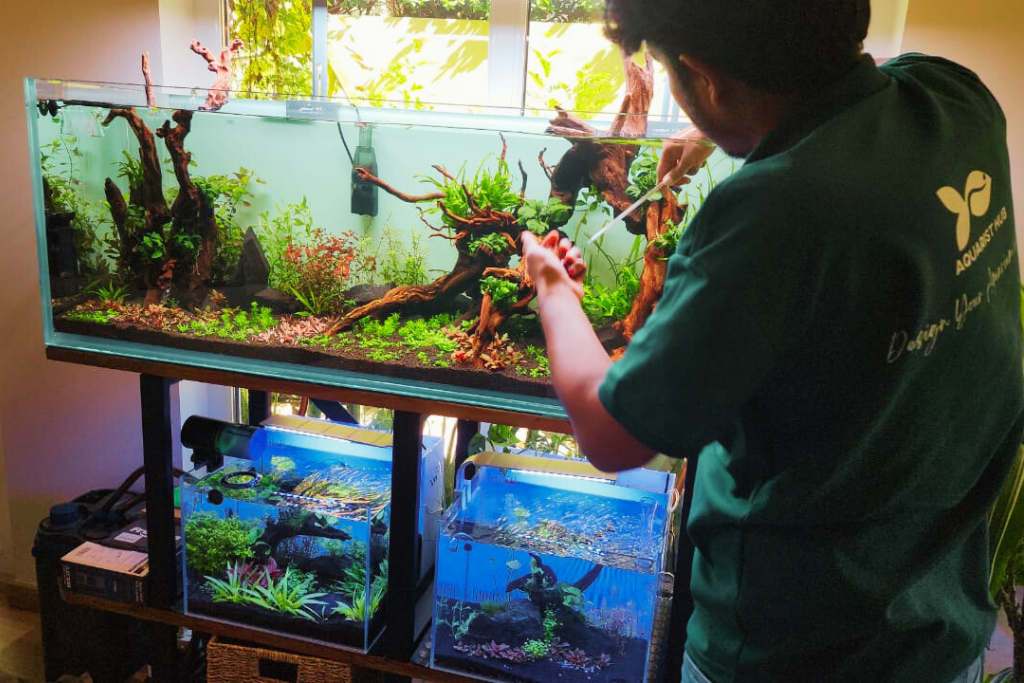
Community Tanks
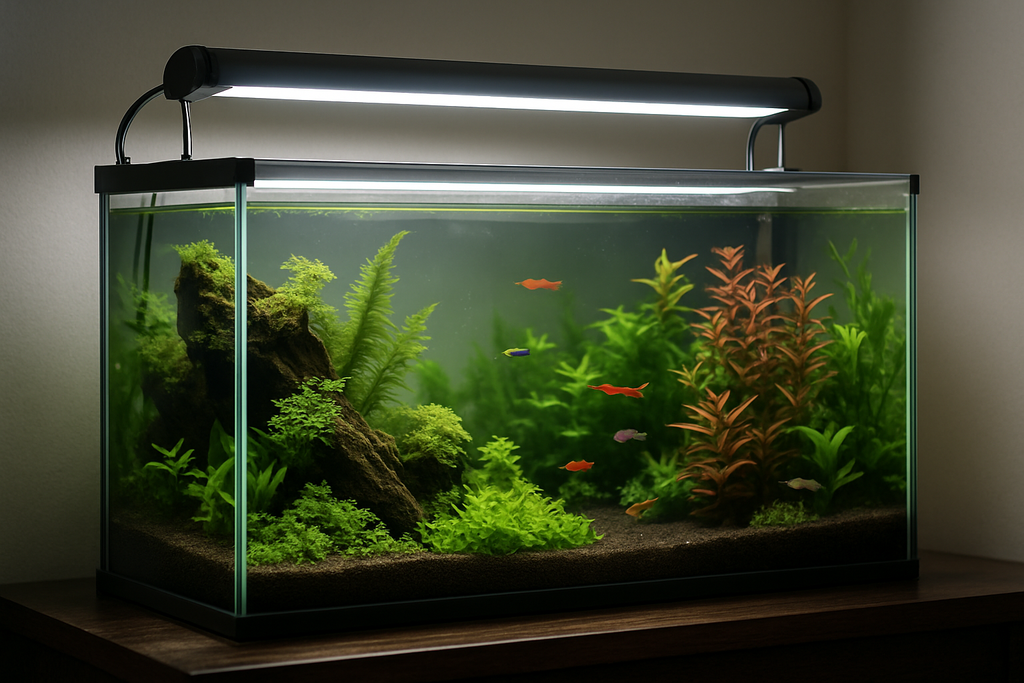
Community tanks contain multiple species that get along peacefully. Choose peaceful species and avoid aggressive or territorial fish.
Popular community fish: Neon tetra, guppy, corydoras catfish, platies, mollies.
Species-Only Tanks
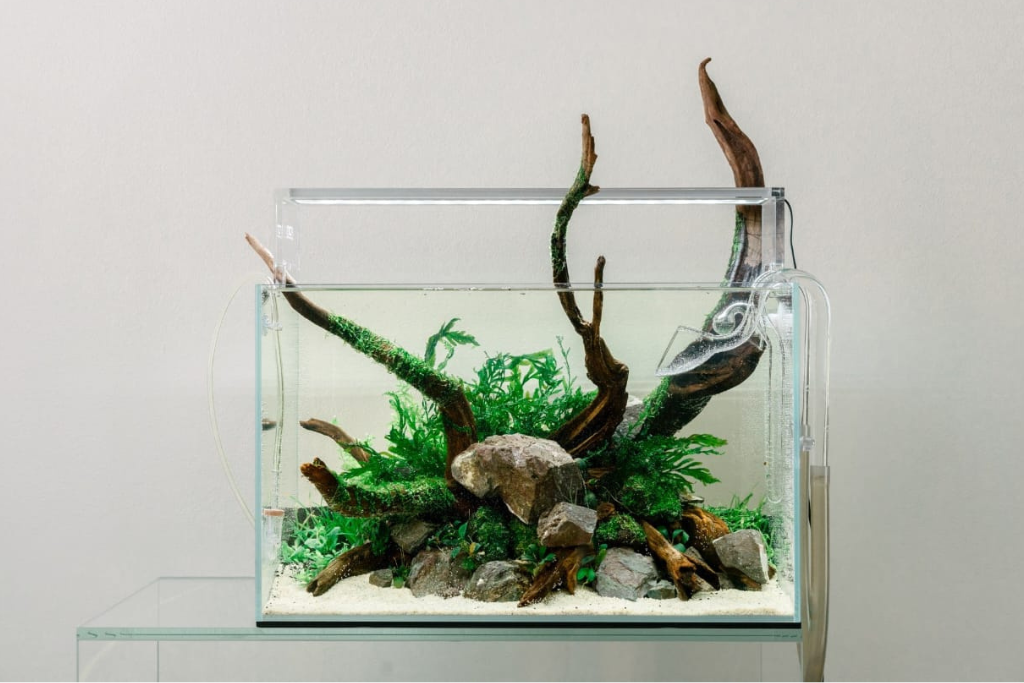
Species tanks focus on a single fish species for unique behaviors or breeding.
Examples: Betta tanks, shell-dwelling cichlids, or a single large showpiece fish.
Biotope Tanks
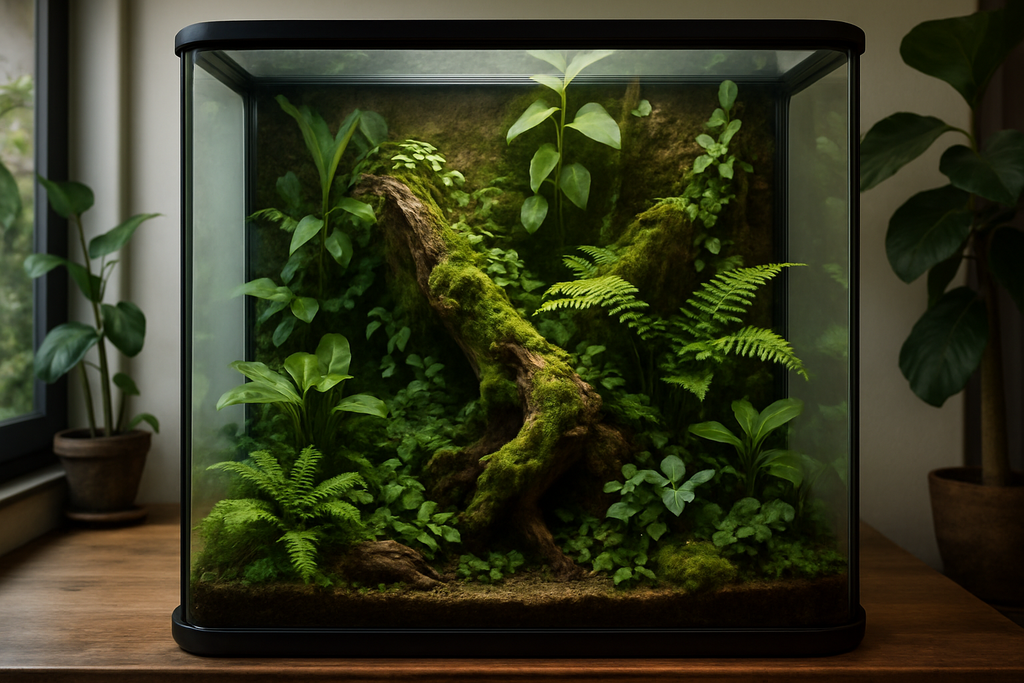
Biotope tanks mimic a specific natural habitat (like an Amazon river or African lake).
Choose fish from the same region for authentic behavior and compatibility.
3. Research Fish Compatibility
Not all fish get along! Consider:
Temperament: Peaceful, semi-aggressive, or aggressive.
Size: Avoid mixing tiny fish with large predatory species.
Water Needs: All tank mates should prefer similar water parameters.
Activity Level: Some fish are active swimmers, others are shy or bottom-dwellers.
Tip: Aquarist Hub lists compatibility and care requirements for each fish, making your choice easier and safer.
4. Consider Maintenance and Care Level
Some fish are perfect for beginners, while others need experienced care.
Beginner-Friendly Fish
Hardy, adaptable, and peaceful.
Examples: Guppy, platy, zebra danio, corydoras, cherry barb.
Intermediate/Advanced Fish
May require special diets, sensitive water parameters, or larger tanks.
Examples: Discus, dwarf cichlids, certain catfish, marine fish.
Aquarist Hub clearly labels difficulty and care levels for each species to guide your selection.
5. Plan for the Future: Growth and Lifespan
Juvenile vs. Adult Size: Some fish grow much larger than their purchase size. Always check adult size before buying.
Lifespan: Some small species live only a couple of years, while others (like some catfish or goldfish) can live decades!
6. Pick a Stocking Plan
Avoid overstocking, which leads to stress, disease, and water problems.
The traditional rule: “One inch of fish per gallon” is a rough guideline, but research each species’ needs.
Consider swimming levels: Top, middle, and bottom dwellers to create a lively, balanced tank.
7. Choose Healthy Fish from a Trusted Seller
Buying fish from a reputable source is essential for healthy, disease-free stock. Here’s why Aquarist Hub stands out:
Wide selection: From hardy beginners to exotic rarities.
Quality and health: Fish are quarantined and carefully acclimated before shipping.
Detailed information: Each listing includes care instructions, compatibility, and ideal tank conditions.
Expert support: Friendly advice to help you build your perfect fish community.
Safe, fast shipping: Fish are packaged with care to arrive safely at your door.
8. Top Beginner Fish from Aquarist Hub
If you’re just starting out, consider these tried-and-true favorites:
Neon Tetra: Small, peaceful, and dazzling in groups.
Guppy: Colorful, hardy, and active.
Platy: Easy-going and comes in many colors.
Corydoras Catfish: Bottom-dwellers that help clean up.
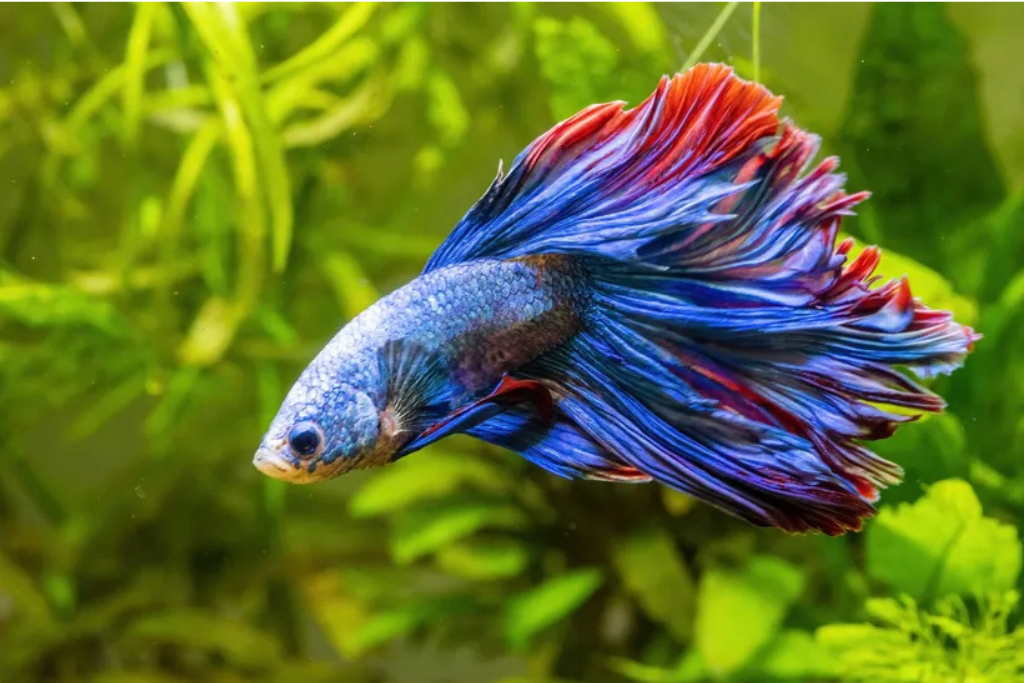
Betta (in species-only tanks): Stunning centerpiece fish.
Zebra Danio: Active, social, and tough.
Aquarist Hub provides all of these fish with clear care instructions and tips for a great start.
9. Practical Tips for a Smooth Start
Cycle Your Tank: Make sure your aquarium is fully cycled (good bacteria established) before adding fish.
Acclimate New Fish: Float the bag, add tank water gradually, and release gently.
Feed Properly: Research each species’ dietary needs.
Monitor Regularly: Watch for signs of stress, disease, or aggression.
Go Slow: Add fish gradually to avoid overwhelming your filter and bacteria.
10. Ready to Choose Your Fish?
Choosing the right aquarium fish isn’t just about looks—it’s about creating a peaceful, thriving aquatic community. By considering your tank’s size and setup, researching fish needs, and buying from a trusted source like Aquarist Hub, you’ll set yourself up for success and years of enjoyment.
Browse Aquarist Hub’s collection today and discover the perfect fish for your aquarium. With expert support, healthy stock, and a huge variety, Aquarist Hub makes it easy to bring your dream aquarium to life!
Happy fishkeeping! May your aquarium flourish with vibrant, happy fish from Aquarist Hub.